
Educational Technology Consulting for K–12
Ensure Academic Purpose Guides Every Technology Decision
EDGEucating helps schools choose and integrate technology around learning goals, and the support teachers need to use it effectively.
The primary question
What should the technology help students do?
The proposal is open on your screen, and you’re nearly ready to submit the purchase request. And why not? The demonstration went well, even if it was sparsely attended. A couple of fellow administrators certainly liked what they saw.
A handful of teachers planned to join you, but they got pulled back into their classrooms. So one question lingers. Your school has spent more than a year trying to gain traction with educational technology. Will this purchase finally deliver?
The answers reveal whether a tool fits the grade level, curriculum, available resources, and instructional time. They also clarify what the curriculum, teacher training, and implementation plan must provide for the investment to succeed.
It’s a simple lesson that sometimes comes with a steep price: once teachers connect the technology to a clear academic purpose, then it’s earned its place in the classroom.
Whether you call us before the purchase or after the equipment arrives, we focus on the academic objective. And we ask these three questions:
- What do the teachers want the students to understand, create, or solve?
- What role could technology play in that experience?
- What will teachers need to use it effectively?

Bring us the idea, the grant, or the boxes
Some schools call us before choosing new devices. Others call us after the shiny new equipment arrives. EDGEucating can help at either point.

Before you invest
Clarify the academic goal, review existing resources, and assess whether a proposed tool fits the intended students and setting. This work can also inform grant planning and purchasing criteria.

After the technology arrives
Connect existing tools with standards, curriculum, and realistic classroom uses. Then establish consensus on where teachers should begin.
A practical integration path
Make the tool fit the school day
A useful recommendation must account for what happens next. EDGEucating considers the people, resources, and conditions that play key roles before the integration reaches the classroom.
1. Clarify the purpose and setting
Define the academic objective, intended students, relevant standards, and current classroom needs.
2. Examine the fit
Review the available technology, infrastructure, and teacher experience. Determine how the inclusion of a Professional Development or Curriculum Development component might support implementation.
3. Set the next steps
Identify realistic classroom uses, implementation priorities, and the support teachers will need.
The scope of the plan may focus on one product, a grant-funded initiative, or a broader technology framework. Each engagement is customized around your school’s starting point.
Advice grounded in learning
Let the academic goal lead the recommendation
Note: EDGEucating operates without product commissions or sales quotas. All of my recommendations follow the learning goal, the classroom setting, and the resources presently available. I understand how a host of variables—including schedules, budgets, teacher confidence, student needs, and instructional demands—determine whether a plan reaches the classroom.
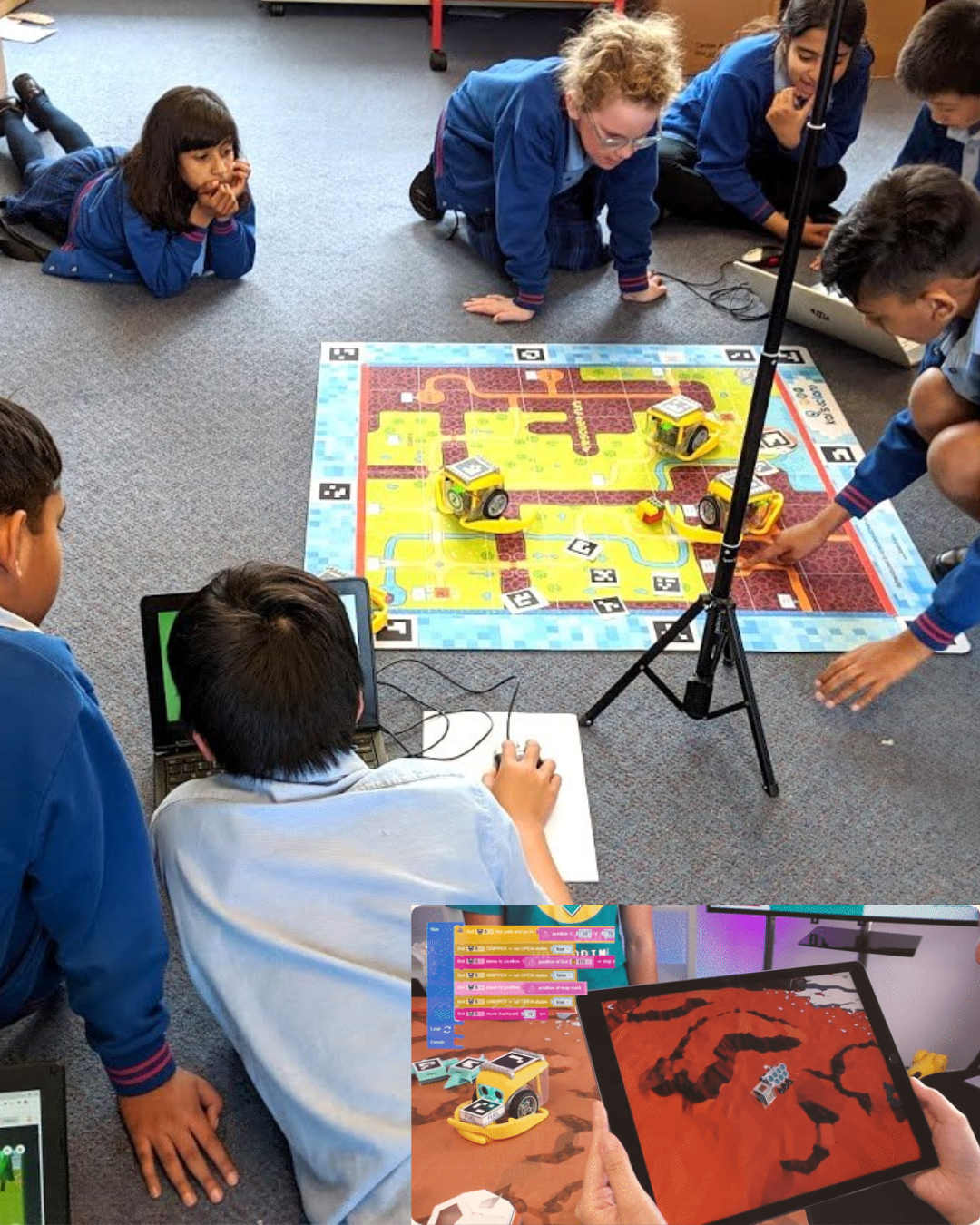
Case study: Adapting classroom technology to new gifted standards
When new gifted-education standards took effect, teacher Deborah Martin, 72, needed to update lessons built around existing technologies in her classroom: micro: bits and AR/VR headsets from Kai’s Clan (now KaiLab). I was responsible for aligning the tools, lessons, and intended student skills with the revised requirements.
I began by reviewing the program outcomes and relevant standards, then audited Ms. Martin’s existing lessons to determine what to retain and adapt. To establish a manageable starting point, I developed projects for each of the products noted above. I also identified the skills students would practice with each one.
The work gave Deborah a focused, standards-aligned path using equipment she already owned.