
Curriculum development for K–12
Turn Instructional Goals Into Curriculum Teachers Will Use
From a single lesson to a broader framework, EDGEucating develops customized materials around your standards, the realities of the school day, and your students’ needs. Every project begins with what students should understand and how ready they are to apply that understanding.
Start with the academic objective
A new initiative often begins with a clear academic goal. Its success depends on the available materials—and how well those materials fit the school day.
The answers shape the content and what’s needed in terms of teacher support.
The answers also help us account for each step from design to implementation. Early on, we make sure teachers are able to see where the curriculum fits, which standards it covers, and how students will move through the learning experience.
The result is a practical path from instructional priority to classroom use.
Before developing the curriculum, I ask:
- What should students understand, investigate, create, or solve?
- Which standards and reporting requirements must the materials address?
- What tools and resources do teachers already have?
- How much instructional time is available?
- How will students demonstrate what they’ve learned?

How the work takes shape
Once the objective is clear, the work moves through three practical stages:
1. Clarify the purpose and context
Define the academic objective and relevant standards. Account for the intended learners, available tools, and teacher needs.
2. Build the learning experience
Develop the lessons, student materials, and supporting resources needed for implementation.
3. Prepare for classroom use
Organize the materials so educators can see the activity sequence, connect each activity to its purpose, and adapt the work for their students.
A project may focus on a single lesson, a series of units, or a broader curriculum framework. Instructional goals and available resources determine the scope.
Curriculum support shaped around your goals
The work can begin with an early idea, an existing program, or a detailed brief.
EDGEucating can develop a variety of curricula-related deliverables, including:
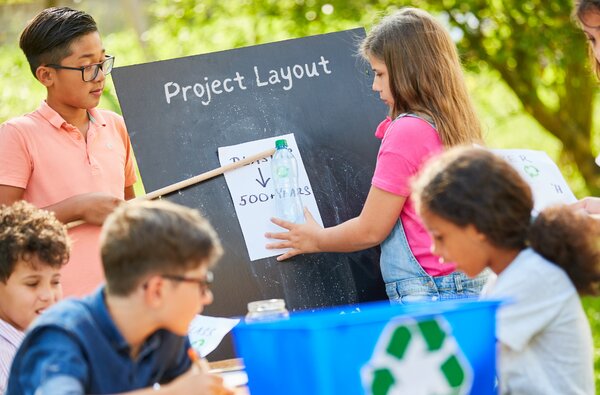
Lessons, units, and curriculum frameworks
Connect standards with learning goals, classroom activities, and teacher guidance. Support can include student materials, curriculum maps, or pacing guidance.
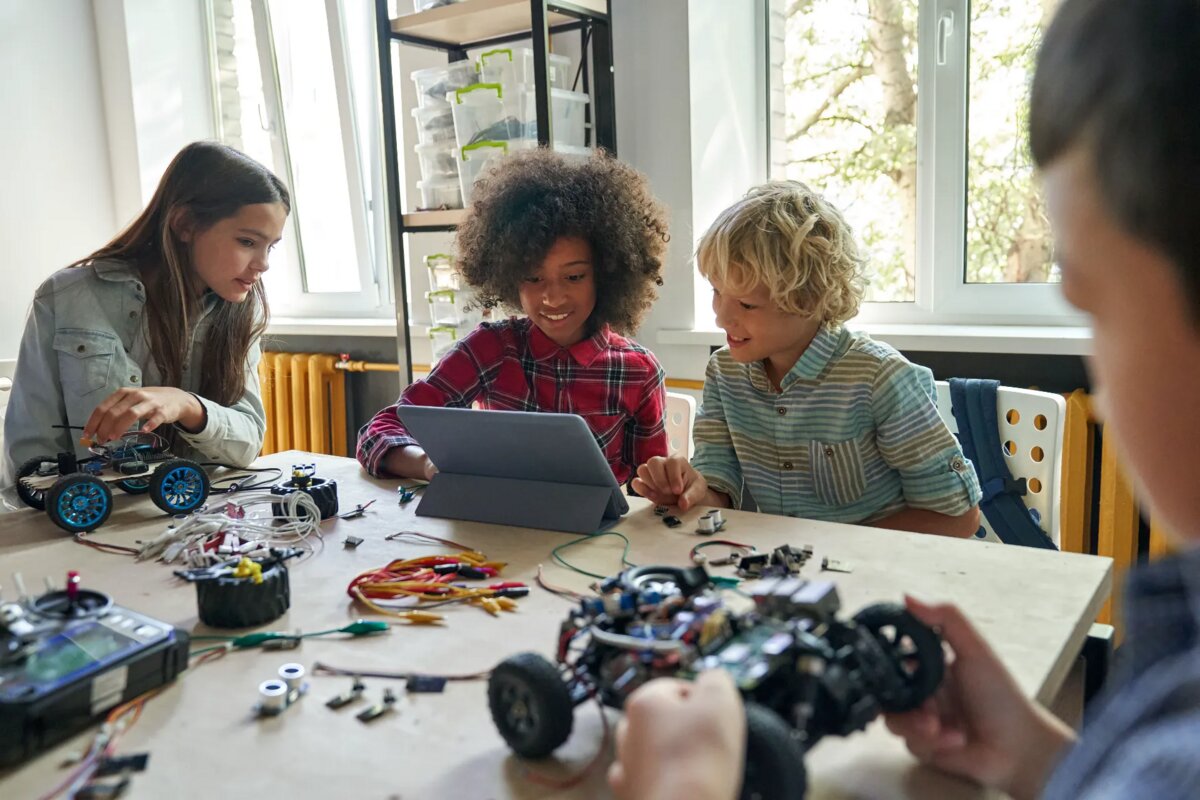
Inquiry-based STEM, STEAM, and project-based curriculum
Build coherent learning experiences around real-world problems. Give students structured opportunities to investigate, design possible solutions, and reflect on what they learned.
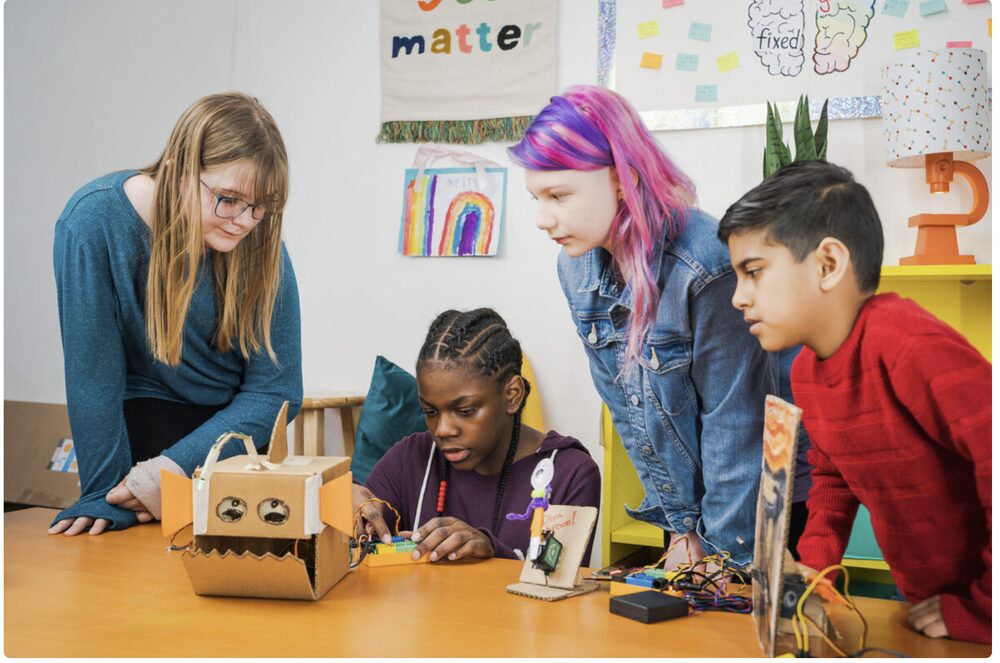
Coding, robotics, and cross-curricular resources
Connect technology with academic content and age-appropriate computer science skills. Materials can also be used to connect different subject areas and, in turn, create multiple paths for gifted learners.
We customize each project around the intended learners, available resources, and instructional priorities. Teacher guidance is built into the materials wherever implementation requires it.
Case study: Building a classroom path for Blue-Bot
TTS, a UK-based educational-resources company, needed a practical way to help general-education teachers introduce coding concepts without specialized training. TTS found me via my blog, and they hired me to develop curriculum for Blue-Bot, their screen-free educational robot.
I used concepts such as algorithms and sequencing within familiar English language arts and math lessons. To reduce the intimidation many teachers felt around coding, I began with Blue-Bot’s physical buttons, rather than its app-based block-coding platform.
The curriculum I developed gave teachers an accessible path to meeting new computer science requirements. My work with TTS continued from late 2021 through early 2025.
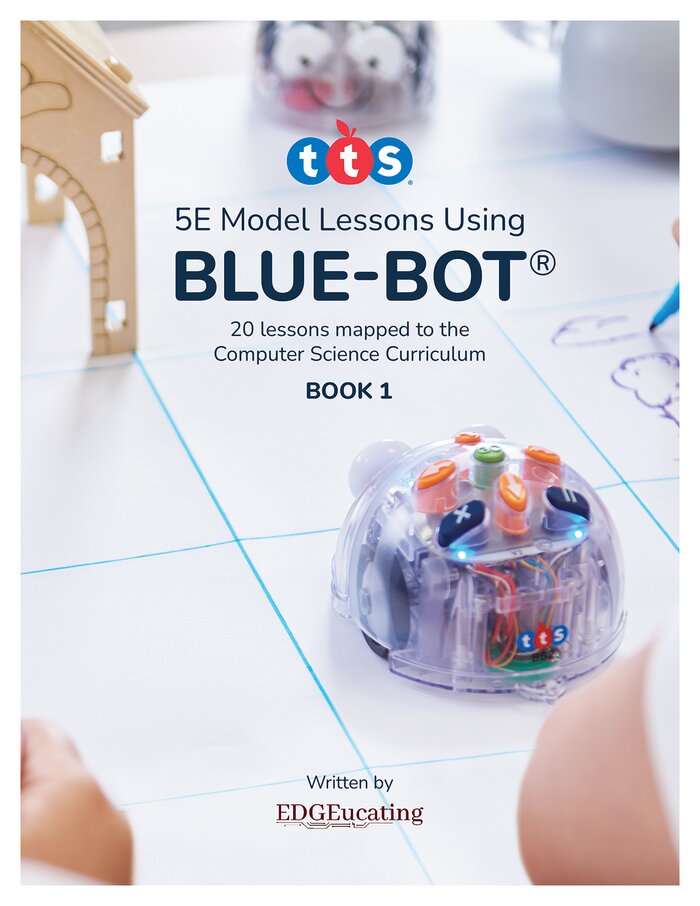
Blue-Bot Curriculum
Volume 1
5E model lessons using Blue-Bot, mapped to the Computer Science curriculum.
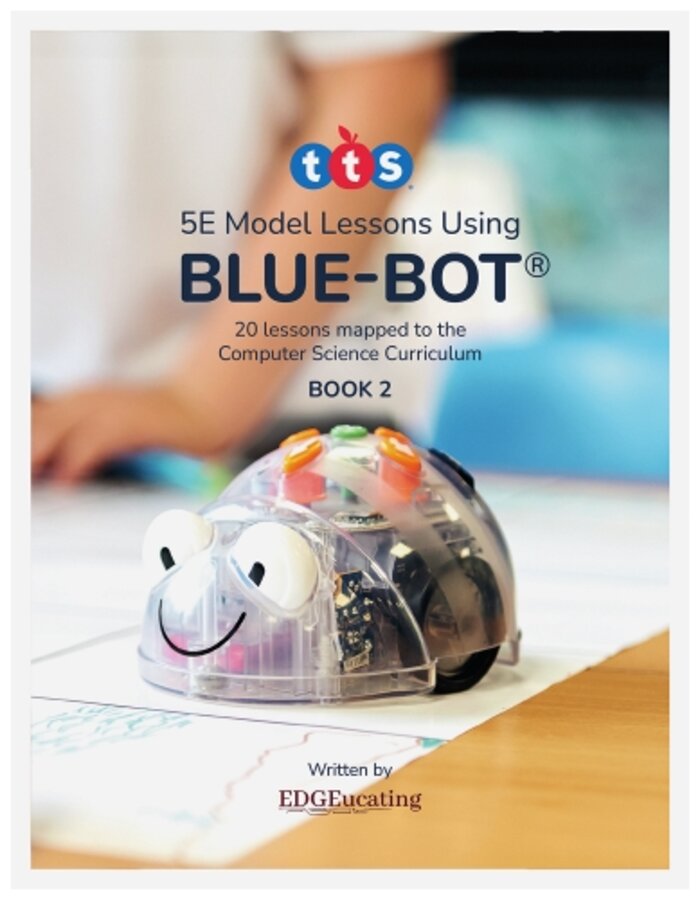
Blue-Bot Curriculum
Volume 2
5E model lessons using Blue-Bot, mapped to the Computer Science curriculum.
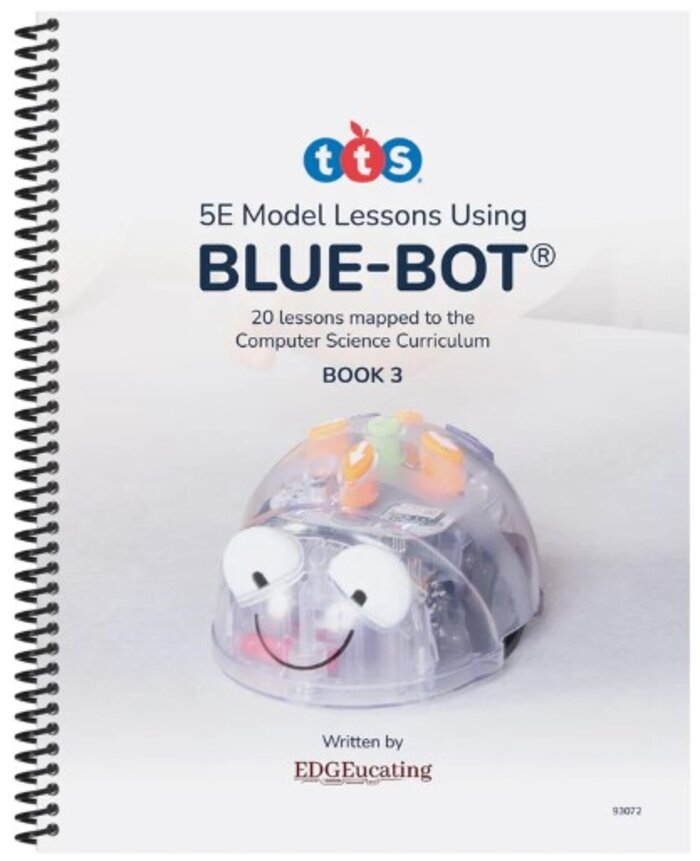
Blue-Bot Curriculum
Volume 3
5E model lessons using Blue-Bot, mapped to the Computer Science curriculum.
View the Blue-Bot curriculum collection
Give students something meaningful to investigate
Inquiry-based curriculum organizes learning around a purposeful and often real-world challenge. Students investigate ideas, design possible solutions, and test their thinking. They revise their work, learn from others, and explain what they discovered. Students are expected to follow different paths and reach different results.
With careful structure, one project can address several standards. A robotics lesson might require measurement, coding, and communication. A design challenge might connect science, writing, and mathematics.
The academic objective remains visible throughout. Teachers can assess what students should learn, how they will apply it, and what evidence might be used to showcase their process.
Some initiatives ask teachers to use unfamiliar materials or methods. In those cases, curriculum development can be paired with custom professional development. Professional development paired with curriculum development allows faculty to go through the learning experience, ask their own questions, and plan for implementation.